

Reflexology: An ancient therapy for modern ailments
Many people struggle with the effects of a long-term health condition, which traditional medicine can sometimes only help with up to a point. Complementary or holistic therapies can ease these ongoing symptoms, while addressing the wellbeing of the whole person.
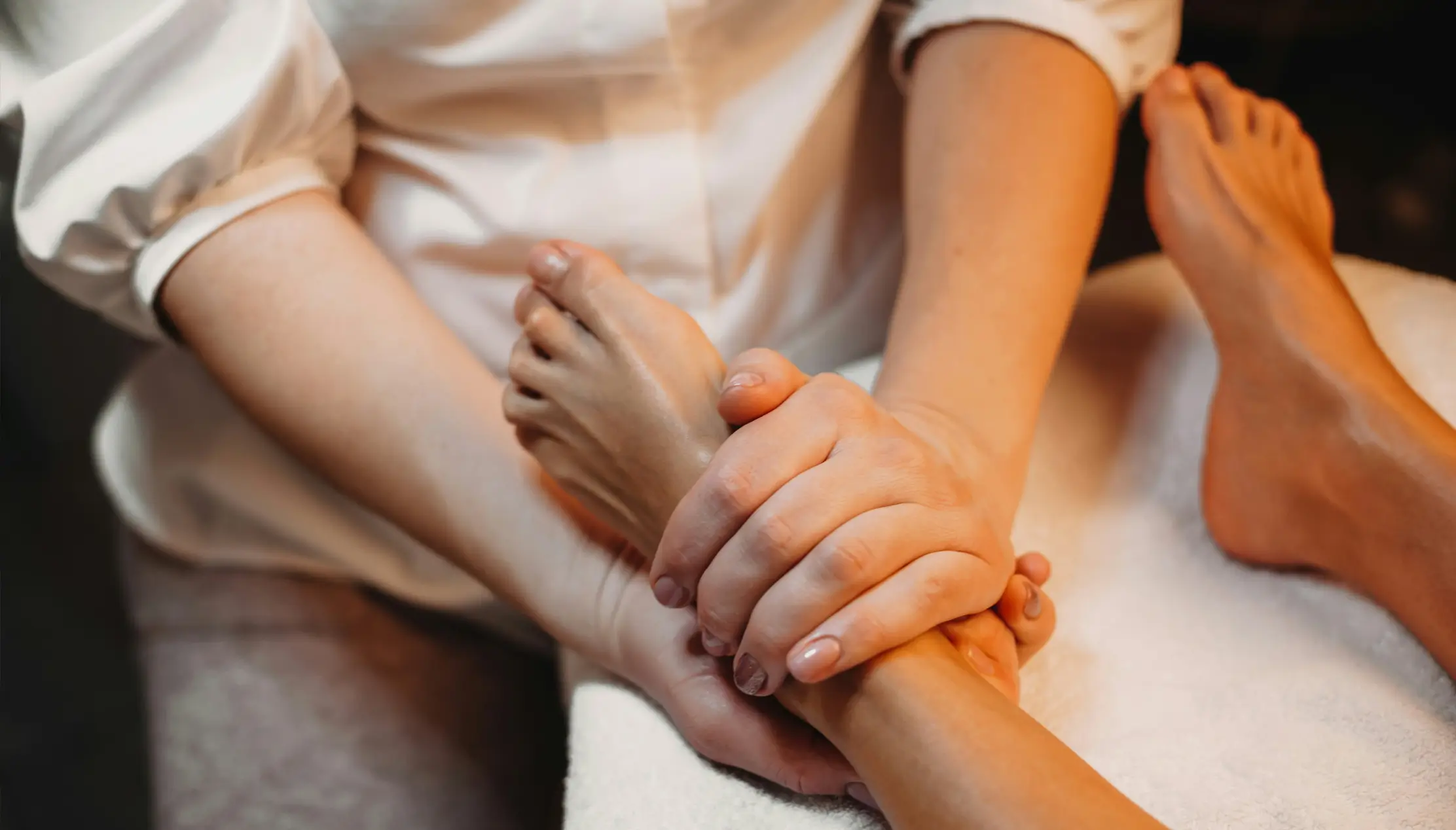
Reflexology is a non-invasive, hands-on therapy which treats the client via specific points or ‘reflexes’ on the feet or hands. These points correspond with all of the body’s systems, organs and individual parts, and the treatment encourages the body to heal itself in a gentle and natural way.
By applying reflexology pressure techniques, the therapist can break down any congestion that has built up in related areas, and encourage toxins to be carried out of the body. In addition, areas of the body which would benefit from improved energy flow can be identified and supported at the same time.
A form of this kind of foot treatment has been practiced in cultures around the globe for thousands of years, and documented in places as diverse as Ancient Egyptian tombs and on Chinese acupuncture scrolls.
The therapy gradually came to be known in the western world during the 19th and 20th centuries. During this time, the knowledge developed into the well-established techniques known today, thanks for a handful of pioneers, who first researched the practice in America before bringing it to the UK in the 1960s.
A full reflexology treatment usually lasts around half an hour to 45 minutes, during which time the client sits in a therapy chair, or in their own seating, while the therapist uses their hands to work on the client’s bare feet or hands. After some relaxation movements, a comfortable pressure is applied to break down any residue build up in nerve reflex points.
Treatment isn’t a painful process and many clients find it deeply relaxing. Sensitivity in some areas may indicate energy zones that need to be cleared to enable improved circulation.
Key benefits of the therapy include:
relaxation of muscles, relieving tension and associated aches and pains like muscle spasm, headaches and migraines
rebalancing of hormone and blood sugar levels, easing stress on the body and promoting wellbeing
improved circulation, supporting cardiovascular, respiratory, digestive and lymphatic systems
reduced stress, the key factor in many illnesses and disorders, and the promotion of better sleep.
As a holistic therapy, the client will also be invited to share with their therapist relevant information about their medical history and lifestyle, to help identify any areas that could be impacting on their overall health. This information is kept entirely confidential as part of the code of practice of all professional therapists, who are also fully insured with a relevant association.
If you are looking for a therapy which could improve your general health, and which mainly requires you just to sit back and relax, why not step up and try reflexology. You might be surprised at how much better you feel, even after a single treatment.
Laura Meader runs steppingstones reflexology in Guildford, trained with the Surrey School of Reflexology, and is fully insured with Professional Reflexology.


